
Understanding the cultural impact of casinos on modern society
The Evolution of Casinos in Society
Casinos have been an integral part of human culture for centuries, evolving from informal gambling houses in ancient times to the elaborate establishments we see today. The origins of casinos can be traced back to the 16th century in Italy with the emergence of games like roulette. As gambling spread across Europe, it became a social phenomenon, influencing various aspects of culture, including art, literature, and social interactions. Each era and region contributed to the development of gambling, shaping the modern casino landscape. Today, platforms like lolajack.bet offer an exciting array of gaming options that reflect this rich history.
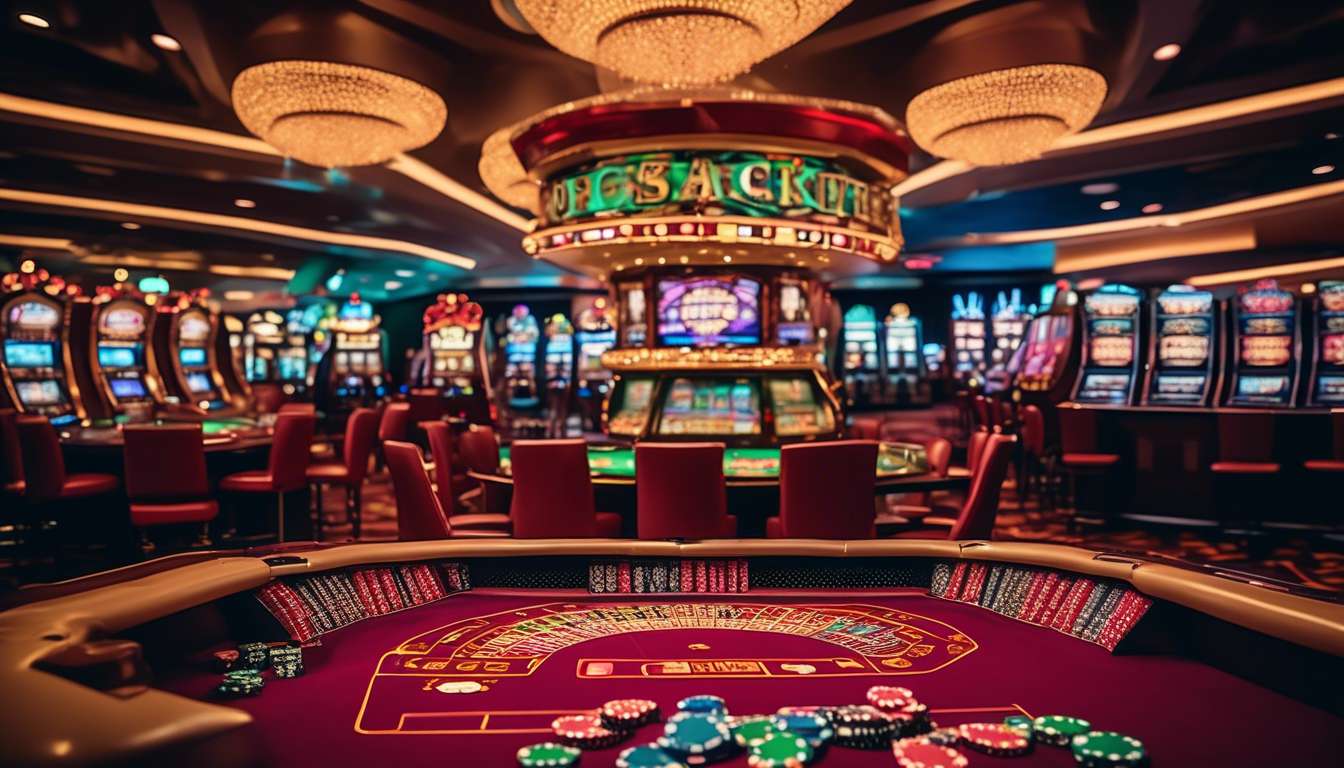
In the United States, the establishment of casinos gained significant momentum in the 20th century, particularly in places like Las Vegas and Atlantic City. The glamor and allure of these locations turned gambling into a mainstream form of entertainment. The cultural acceptance of casinos also paralleled significant events like Prohibition and the Great Depression, which shifted public perception towards viewing gambling as a viable way to escape economic hardships. This transformation marked casinos as not just places to gamble but as social hubs that reflect the dynamics of society.
Today, the cultural impact of casinos extends beyond physical establishments, with the rise of online gambling platforms and mobile apps. These technological advancements have made gambling more accessible, attracting a diverse demographic. The integration of online gaming into everyday life has reshaped societal views on gambling, normalizing it as a leisure activity. This evolution continues to influence culture, setting the stage for the ongoing dialogue about responsible gambling and its implications for modern society.
The Social Dynamics of Gambling
The presence of casinos has a profound impact on social dynamics, often serving as a meeting point for individuals from various backgrounds. Casinos attract millions of visitors annually, providing a unique setting for social interaction. People gather to celebrate milestones, host events, or simply enjoy a night out. This communal aspect fosters a sense of belonging and social cohesion, as patrons share experiences and form connections over games and entertainment.
However, the social environment of casinos is not without its complexities. While many enjoy gambling responsibly, there are underlying issues related to addiction and financial hardship that often accompany it. This duality presents a cultural challenge, as society grapples with the fine line between entertainment and the potential for harm. Initiatives aimed at promoting responsible gambling and support for those affected by addiction have become critical in addressing these social concerns.
Moreover, the portrayal of gambling in media and popular culture plays a significant role in shaping societal attitudes. Films, television shows, and literature often romanticize the casino experience, highlighting both the thrill of winning and the risks involved. This nuanced depiction influences public perception, contributing to the normalization of gambling as a societal activity while prompting conversations about its consequences.
The Economic Influence of Casinos
Casinos are not only cultural institutions but also significant economic contributors to their communities. They generate substantial revenue through taxes and employment, providing jobs for thousands of individuals. The economic impact extends beyond the casinos themselves; surrounding businesses such as hotels, restaurants, and entertainment venues often thrive due to increased tourism. This interconnectedness underscores the importance of casinos in local economies, fostering growth and development in various sectors.
Moreover, the strategic planning and management of casinos can lead to innovative urban development initiatives. Cities investing in casino resorts often experience revitalization, transforming neglected areas into bustling hubs of activity. This transformation can enhance the overall quality of life for residents and visitors alike, offering improved infrastructure and services. However, this economic boon is often met with challenges, such as potential increases in crime or social issues, necessitating careful consideration and planning by local governments.
Furthermore, as online casinos continue to rise in popularity, the economic landscape of gambling is shifting. Digital platforms provide new revenue streams and opportunities for innovation, making it essential for traditional casinos to adapt. This evolution challenges existing business models while also offering potential growth, emphasizing the need for ongoing research into the economic implications of changing consumer preferences in gambling.
The Role of Regulation and Responsibility
The rapid growth of the casino industry has prompted discussions about regulation and responsibility in gambling practices. Governments across the globe are increasingly recognizing the need to implement regulations to protect consumers and promote responsible gaming. These regulations often encompass licensing, age restrictions, and measures to prevent addiction, reflecting societal concerns about the potential negative impacts of gambling.
The establishment of responsible gambling programs is also crucial in addressing these issues. Many casinos implement initiatives to educate patrons about the risks associated with gambling and provide resources for those seeking help. This commitment to responsible gaming is essential in fostering a safe environment, reinforcing the cultural perception of casinos as responsible entities within society.
As the landscape of gambling continues to evolve, ongoing dialogue regarding regulation and responsibility remains vital. The balance between promoting economic growth through casinos and ensuring the welfare of individuals is a challenging yet necessary endeavor. As society navigates these complexities, the role of casinos in modern culture will undoubtedly continue to be scrutinized, necessitating adaptive approaches to regulation and community engagement.

LolaJack Casino: A Modern Gaming Experience
LolaJack Casino exemplifies the modern evolution of the gaming experience, offering players an engaging online platform that reflects the cultural shift in gambling. With a diverse selection of over 4,000 games, including slots, live dealer experiences, and exciting jackpots, LolaJack caters to a wide range of preferences. This broad offering not only enhances the gaming experience but also signifies the growing acceptance of online gambling as a legitimate form of entertainment.
The commitment to safety and security is paramount at LolaJack Casino, which operates on a licensed platform designed to protect players. With round-the-clock customer support and a fast payout system, LolaJack prioritizes user experience, ensuring that players feel secure as they engage in their favorite games. This attention to customer care reinforces the cultural perception of online casinos as reliable and responsible entities in the gambling landscape.
Moreover, LolaJack’s innovative approach to engaging players through bonuses and VIP programs showcases a forward-thinking model in the gaming industry. With substantial welcome bonuses and a variety of payment options, including cryptocurrencies, LolaJack invites a diverse player base to join its community. This inclusive approach reflects the changing dynamics of the casino industry, embracing technological advancements while prioritizing player satisfaction and security.
